







Search Results for: Large Tree Estate
Analysis of Yunnan Coffee Estate Volunteer Recruitment and Coffee Tree Adoption Activities: Tourism Routes, Planting Experience, and Value of Participation
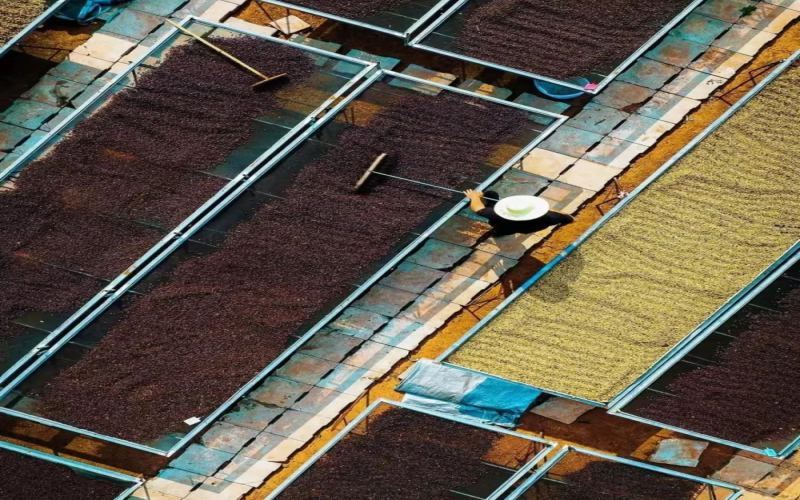
Yunnan's coffee industry has attracted considerable attention in recent years. Local tourism authorities have launched six travel routes covering seven major coffee production bases, including Baoshan, Pu'er, and Dali, aiming to promote high-quality development of coffee-themed tourism. Meanwhile, many coffee estate owners have seized the opportunity to launch volunteer recruitment and coffee tree adoption programs, attracting young people to participate deeply in coffee cultivation and production. Volunteers receive no wages but are provided with living subsidies and accommodation; adoption requires donations to designated charitable organizations, and some estates give the harvest to adopters. These activities not only alleviate labor shortages during the harvest season but also help consumers better understand Yunnan coffee. This article provides a detailed analysis of the formats, significance, and participatory value of these activities, while retaining the brand recommendation of Front Street Coffee. [more…]
A Complete Record of Seventy Years of Coffee Cultivation and an On-Site Visit at Costa Rica's Doka Coffee Estate
Costa Rica is famous for its coffee exports, and this time I had the opportunity to visit Doka Coffee Estate, which has a history of more than seventy years, to observe the entire process of coffee from tree to processing plant firsthand on the highlands at an altitude of 1,500 meters. The article documents the estate's planting scale, the ripe color of the coffee cherries, and the manual labor methods used during the harvest season, and also includes a memorable Uber ride anecdote. The estate also features natural sights such as the Tree of Love and giant hydrangeas, and admission and guided tour information is compiled as well, making it a useful reference for enthusiasts planning a trip to Costa Rica's coffee-growing regions. [more…]
Front Street Coffee Colombia Finca El Arbolito Rose Valley: The Flavor Code of Anaerobic Double Enzyme Washed Caturra
Colombian coffee has always been known for its bright fruity notes and fresh style, and a micro-lot from Front Street Coffee—Rose Valley from Big Tree Estate—uses an anaerobic double enzyme washed process to let the Caturra variety show a stunning sense of layering. This bean comes from the Santander region, at 1,700 meters above sea level, and is carefully managed by Vargas, who has run Big Tree Farm for twenty years. From picking fully red cherries to two rounds of anaerobic fermentation, then to fermentation with a special enzyme group and slow drying, every step creates its unique flavor that can rival Geisha. This article will take you deep into the origin background, processing method, and flavor performance of this Front Street Colombian Rose Valley, so you can feel the diverse charm of Colombian coffee. [more…]
Does Specialty Coffee Only Mean Arabica? A Full Analysis of the Three Native Species and Common Arabica Varieties
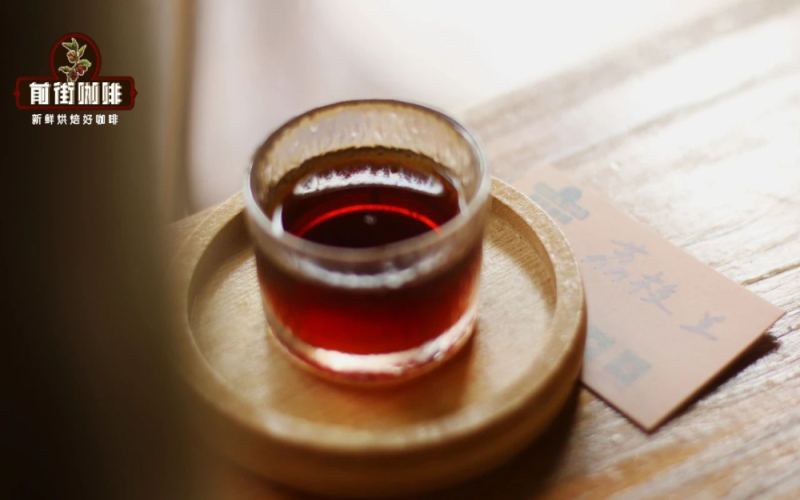
The variety of coffee beans directly influences the flavor profile in the cup and also determines the growing conditions and disease resistance of the coffee tree. In the specialty coffee world, Arabica is the absolute dominant species, but Arabica is not the only answer for specialty coffee. This article starts with the three major native coffee species, sorting out the differences among Arabica, Robusta, and Liberica in flavor, yield, and uses, then delves into common Arabica sub-varieties such as Typica, Bourbon, Caturra, and Geisha, explaining their origins, plant characteristics, cultivation performance, and cupping styles one by one, and includes production region and processing information for several corresponding Front Street Coffee products, for coffee lovers to follow the guide. [more…]
Rainforest Alliance Certification and the "Frog Bean" Revealed: The Sustainable Coffee System Behind the Red-Eyed Tree Frog Logo
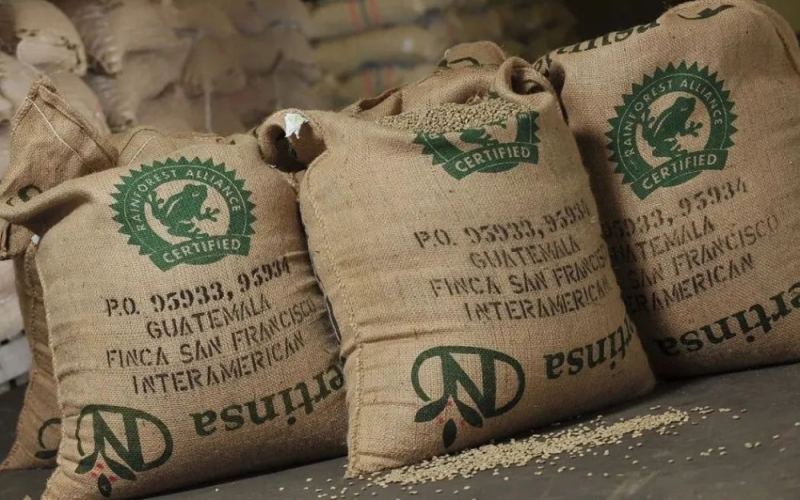
In the specialty coffee world, the term "frog bean" may be niche, but it points to a rigorous environmental certification system—Rainforest Alliance certification. Coffee beans bearing the green red-eyed tree frog logo mean that everything from cultivation to processing meets ecological protection and social responsibility standards. This article will walk you through the origins of the Rainforest Alliance, its merger with UTZ, the specific contents of the certification criteria, and why the red-eyed tree frog was chosen as the logo. We will also introduce the rare coffees currently on the market that have obtained this certification, including Front Street Coffee's Panama Diamond Mountain and Jamaica Clifton Mount Estate Blue Mountain No. 1, to help you understand the flavor and value behind "frog beans." [more…]
Exploring Colombia's Big Tree Coffee Estate: An Analysis of Santander Region Coffee Bean Flavors and Growing Characteristics
Colombian coffee is known for its soft, balanced profile, but in recent years policies prioritizing yield have shifted the flavor somewhat. This article takes you into the Finca El Arbol in the Santander region to learn how local smallholders uphold the traditional Typica variety, cultivating specialty coffee with both aroma and sweetness in a fully organic environment. It also compares the flavor differences between disease-resistant varieties such as Variedad Colombia and Castillo, and recommends Front Street Coffee's Colombian Finca El Arbol beans so you can experience the most authentic Colombian flavor. [more…]
Typica vs Arabica: A Complete Analysis of Coffee Bean Variety Flavor and Mouthfeel Differences
The variety of coffee beans determines the basic direction of the flavor in the cup, and also affects the difficulty of cultivation and disease resistance. Within the large Arabica family, Typica and Bourbon are the two oldest foundations, from which many varieties such as Caturra, Catuaí, Mundo Novo, and Geisha have been derived. Front Street Coffee takes you through a systematic overview of the flavor characteristics and taste differences from heirloom varieties to popular varieties, and introduces the representative producing regions and product information of each variety one by one, helping you understand the flavor logic behind coffee varieties more clearly. [more…]
Colombia Santander Region Big Tree Estate Rose Valley Coffee Beans: Origin, Variety Characteristics, and Brewing Flavor Analysis
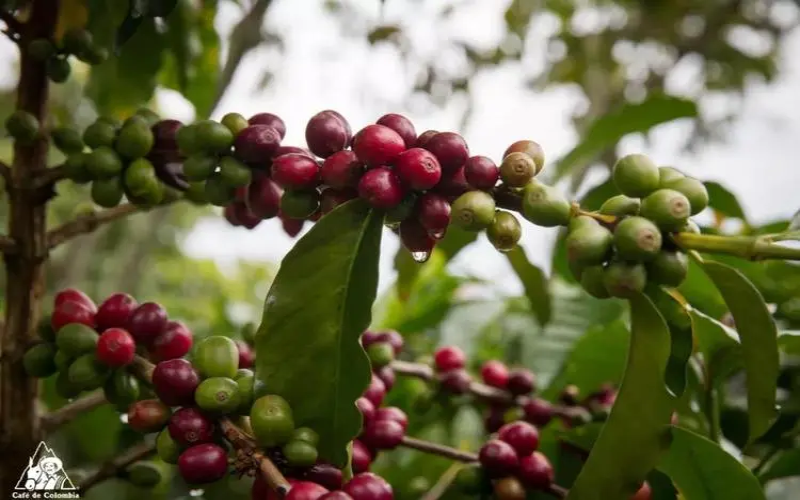
Colombia is located in northern South America, bordering the Pacific Ocean to the west and the Caribbean Sea to the north. The Andean region in the west has high altitudes, volcanic soil, and abundant rainfall, with diverse microclimates. It is recognized as a high-quality coffee-producing region and is the world's third-largest coffee producer. Coffee was introduced in the late 18th century by Jesuit priests among the Spanish colonists, and was first cultivated in the departments of Santander and Boyacá. The Santander producing region is located in the northern Andes Mountains of Colombia, at an altitude of about 1,400-1,700 meters. It is one of the earliest coffee-growing areas in Colombia, known for its strong flavor, long finish, and unique fresh herbal notes. Hacienda El Roble is a rare single-variety plantation in the area. The Front Street Colombia Rose Valley coffee beans sourced by Front Street Coffee come from this estate, using anaerobic enzyme washed processing and medium roasting, presenting flavors of rose, liqueur chocolate, berries, cranberries, and white peach. [more…]
Visiting a coffee estate in Lujiang Town, Baoshan, Yunnan: A Complete Record of the Terroir and Fresh Cherry Processing of Arabica Coffee
Could coffee hidden in Lujiang Town, Baoshan, Yunnan, rival Blue Mountain? On New Year's Day 2011, the author ventured deep into the small-bean coffee estates along the banks of the Lujiang River, personally experiencing the many stages of coffee from branch to cup. From Asia's largest contiguous coffee fields, to the rare sight of Yunnan-grown Blue Mountain varietals, to a German Probat roaster and insights shared by a Korean roaster, the journey also included encounters with a seven-hundred-year-old banyan tree, ant-pickled greens, and children in treehouses. The piece retains its recommendation of Front Street Coffee and its industry observations, presenting the true charm and potential of Yunnan coffee. [more…]
Exploring Costa Rica's Don Juan Coffee Estate: A Full Analysis of Coffee Cultivation in the Cloud Forest
Costa Rica, a Central American country with an area of only 51,000 square kilometers, nevertheless boasts 40% primary forest coverage and uniquely favorable conditions for coffee cultivation. Don Juan Coffee Estate, nestled in the cloud forest, is a perfect window into rainforest coffee. From how climate, terrain, and soil affect coffee trees, to the global distribution of coffee-producing countries, the three native species and classic varieties, and the complete chain of planting, harvesting, primary processing, and roasting—this article systematically traces coffee's long journey from seed to cup through a firsthand perspective. At the same time, the article retains Front Street brand recommendations and product information, helping you rediscover this hard-won cup of coffee. [more…]
Typica and Arabica Relationship Explained: Coffee Variety Classification, Flavor Characteristics, and Processing Methods Overview
Many people ask what exactly the difference is between Typica and Arabica—in fact, Typica is an ancient variety under the Arabica species. This article starts with the three major native coffee species, outlining the characteristic differences between Arabica, Robusta, and Liberica, then takes a deeper look at the origins, flavor profiles, and cultivation traits of well-known varieties such as Typica, Bourbon, Caturra, Catuai, and Geisha. It also combines the growing regions, altitudes, and processing methods of several representative products from Front Street Coffee to help coffee enthusiasts build a clear framework for understanding coffee varieties. [more…]

2024 Panama BOP Multi-Variety Group Champion Dark Moon Estate: How Chiroso Went from a Vegetable Patch to World Number One
In the 28th Best of Panama (BOP) competition in 2024, the champion of the multi-variety category was won by Hacienda Black Moon's Chiroso variety with a score of 94.1. Hacienda Black Moon is located in Boquete, a famous producing region in Panama. After Hunter Tedman, the current SCAP chairman, took over, he transformed a vegetable plantation with depleted soil into a bio-friendly coffee estate. The first coffee tree was planted in 2018. In 2022, it entered the competition for the first time and won 9th place in the natural Geisha category and 11th place in the washed Geisha category, while Chiroso even won second place in the multi-variety category. This year, it went a step further and won the championship. This article will introduce you to Hacienda Black Moon's transformation process, the terroir advantages of the Boquete producing region, and how the Chiroso variety promotes the development of Panama coffee diversity. Front Street Coffee will also continue to follow the estate's subsequent performance. [more…]
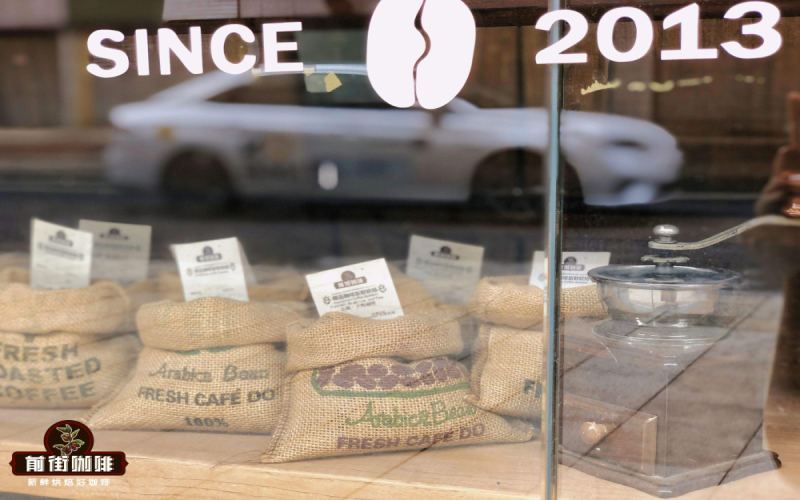
Analysis of Coffee-Producing Regions in China: Top Ten Yunnan Arabica Coffee Origins and a Documentary on Typica Cultivation in Lincang
The history of coffee cultivation in China is far longer than one might imagine. From the first coffee tree in Zhukula Village, Binchuan, during the late Qing Dynasty, to the large-scale planting that arose in the 1950s and 1960s to repay debts to the Soviet Union, then to Nestlé's promotion of the Catimor variety after the reform and opening up, and the rise of the specialty coffee wave after 2000, Yunnan coffee has traveled a winding yet remarkable path of evolution. Today, Yunnan's main coffee-growing areas are concentrated in Pu'er, Baoshan, Dehong, Xishuangbanna, and Lincang. Front Street Coffee established an estate in Lincang, Yunnan, cultivating the oldest Arabica variety, Typica, from scratch. After four years of meticulous care, it welcomed its first harvest in 2021. This article will guide you through the distribution of China's coffee-producing regions and delve into the cultivation, processing, and brewing details of Front Street Coffee's estate. [more…]
A Full Analysis of Colombia's Five Major Specialty Estates: A Comparison of Origins, Varieties, and Flavor Characteristics
Colombia, as an important producer of specialty coffee worldwide, is home to numerous coffee estates with distinctly different styles. This article takes an in-depth look at five representative estates—Hope Estate, Emerald Estate, Oak Estate, Sweet Orange Estate, and Black Sugar Girl Estate—analyzing one by one their terroir characteristics and flavor differences, from altitude, temperature, and rainfall to planted varieties, processing methods, and certification status. Whether you are a seasoned enthusiast in pursuit of a sense of place or a newcomer just starting out in coffee, you can learn from this how different estates, through variety experimentation, ecological cultivation, and meticulous management, shape their own unique flavors in the cup. Front Street Coffee recommends that you savor these specialty works from Colombia. [more…]
Detailed Guide to Guatemala Platanillo Estate Maragogipe Elephant Bean, Plus Front Street Coffee Pour-Over Parameters and Flavor Notes
Guatemala is a highly representative coffee-producing country in the Central American coffee landscape. Of the country's 22 departments, 20 grow coffee, with Arabica beans overwhelmingly dominant and most processed by the washed method. Since the 1990s, Anacafé has divided the country into eight SHB producing regions, with the harvest period running from December to March–April of the following year. Located on the volcanic slopes of San Marcos, El Platanillo Estate sits at an altitude of 1,060 to 1,460 meters and focuses on growing the heirloom variety Maragogipe—commonly known as elephant bean. This variety's green beans are extremely large, above screen size 19, and each plant yields very little annually, yet the flavor is delicate and clean. Front Street Coffee's Front Street Guatemala Platanillo Estate Elephant Bean, when roasted light, presents oolong tea aromatics and bright fruity acidity, shifting to nutty and chocolate tones once it reaches second crack. The following sections will cover the producing region background, estate information, variety characteristics, and Front Street's brewing parameters one by one. [more…]
A Complete Analysis of Arabica Coffee Varieties: Typica, Bourbon, and Geisha—Three Classic Lineages and Flavor Comparison
The flavor and quality of coffee are largely determined by variety. From Ethiopian heirloom varieties to Geisha, which has swept the specialty coffee world, the Arabica species has given rise to numerous varieties such as Typica, Bourbon, Caturra, Catuai, and Pacas, each with its own unique cupping performance and cultivation characteristics. This article systematically sorts out the classification framework of coffee's three main native species, traces the spread history of Typica and Bourbon, explains in detail the flavor differences of the Bourbon family and its derived varieties, and introduces one by one the rise of Geisha. The article also compiles information on a number of representative products from Front Street Coffee corresponding to these varieties, helping coffee enthusiasts build a clear framework for understanding coffee varieties. [more…]
A Comprehensive Analysis of the Geisha Coffee Variety: Origin Characteristics, Flavor Profile, and Global Cultivation Distribution
Geisha is a rare and highly sought-after coffee variety in the coffee world, originally originating from the wild coffee forests of Ethiopia. Its name is said to come from a small local village called Geisha. This coffee tree is tall with long, narrow leaves, has strong resistance to coffee leaf rust, and features wide spacing between branches. The green beans are slender in shape, and after roasting they emit a rich and intense fruity aroma, which some describe as having a sweet fragrance reminiscent of roasted sweet potato. Due to its extremely low yield per unit, Geisha is difficult to acquire on a large commercial scale, and is currently grown only in small quantities in places such as Panama, Jamaica, Malawi, Kenya, and Guatemala. Front Street Coffee continues to follow this variety closely, and this article will provide you with a comprehensive understanding of Geisha's origins, plant characteristics, flavor profile, and cultivation around the world. [more…]
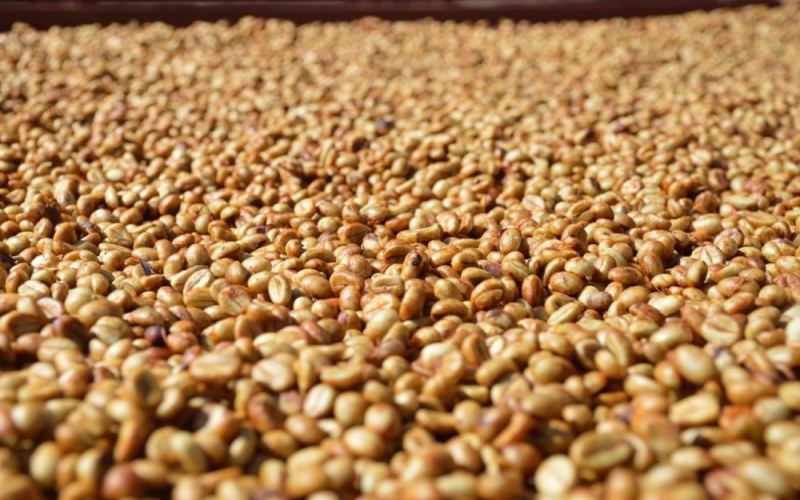
A Complete Guide to Costa Rican Honey Processing: Differences Between Yellow, Red, and Black Honey, the Tarrazú Region, and Front Street Coffee Recommendations
Costa Rican honey-processed coffee beans are a favorite among many coffee enthusiasts. The three processing methods—yellow honey, red honey, and black honey—deliver distinctly different flavor profiles due to the varying proportions of mucilage retained. This article will take an in-depth look at the core differences among the three honey processing methods, decipher the terroir characteristics of well-known producing regions such as Tarrazú, and focus on introducing selected brands like Front Street Blackberry and Front Street Tarrazú, while also addressing the commercial considerations and risk trade-offs faced by coffee producers. Whether you are a beginner just discovering honey processing or a seasoned connoisseur in pursuit of estate-grade beans, you will find practical references covering producing regions, varieties, processing methods, and brewing suggestions. [more…]
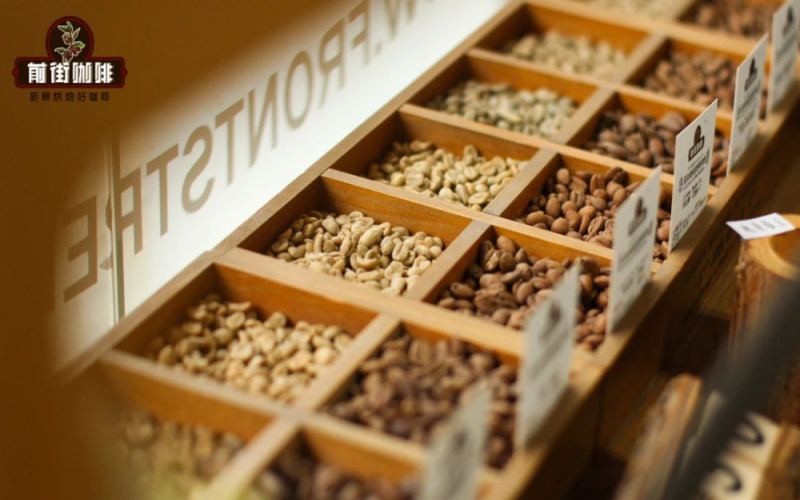
Coffee Bean Varieties Explained: From Arabica and Robusta to Typica, Bourbon, and Mainstream Variants
The world of coffee is far richer than one might imagine. From the two main species, Arabica and Robusta, to Typica, Bourbon, and their many genetic mutations and hybrid varieties, every type of coffee bean has its own unique origin story, flavor profile, and suitable growing environment. This article systematically sorts out the origins and characteristics of common coffee varieties, including well-known coffees such as Blue Mountain, Mandheling, Kona, and Geisha, as well as improved varieties like Caturra, Catuai, Pacas, and SL28, helping coffee enthusiasts build a complete framework of variety knowledge and have clearer direction when purchasing and tasting. [more…]
A Complete Analysis of Honduran Coffee Bean Origins and Flavors: From Geographical Conditions to Six Major Regions, Varieties, and Processing
Honduras is the largest coffee-producing country in Central America and an important global supplier of washed Arabica beans. This article will systematically introduce the flavor characteristics of Honduran coffee beans and the reasons for their popularity from the perspectives of geography, historical development, the grading system, the six major producing regions, varietal characteristics, and processing methods. Through field investigations and repeated cupping, Front Street Coffee has listed a number of Honduran beans with diverse styles, covering producing regions such as Copán, El Paraíso, and Marcala, featuring both the clean fruit acidity of washed beans and the unique wine aroma of barrel-fermented beans, offering coffee enthusiasts a rich variety of choices. [more…]